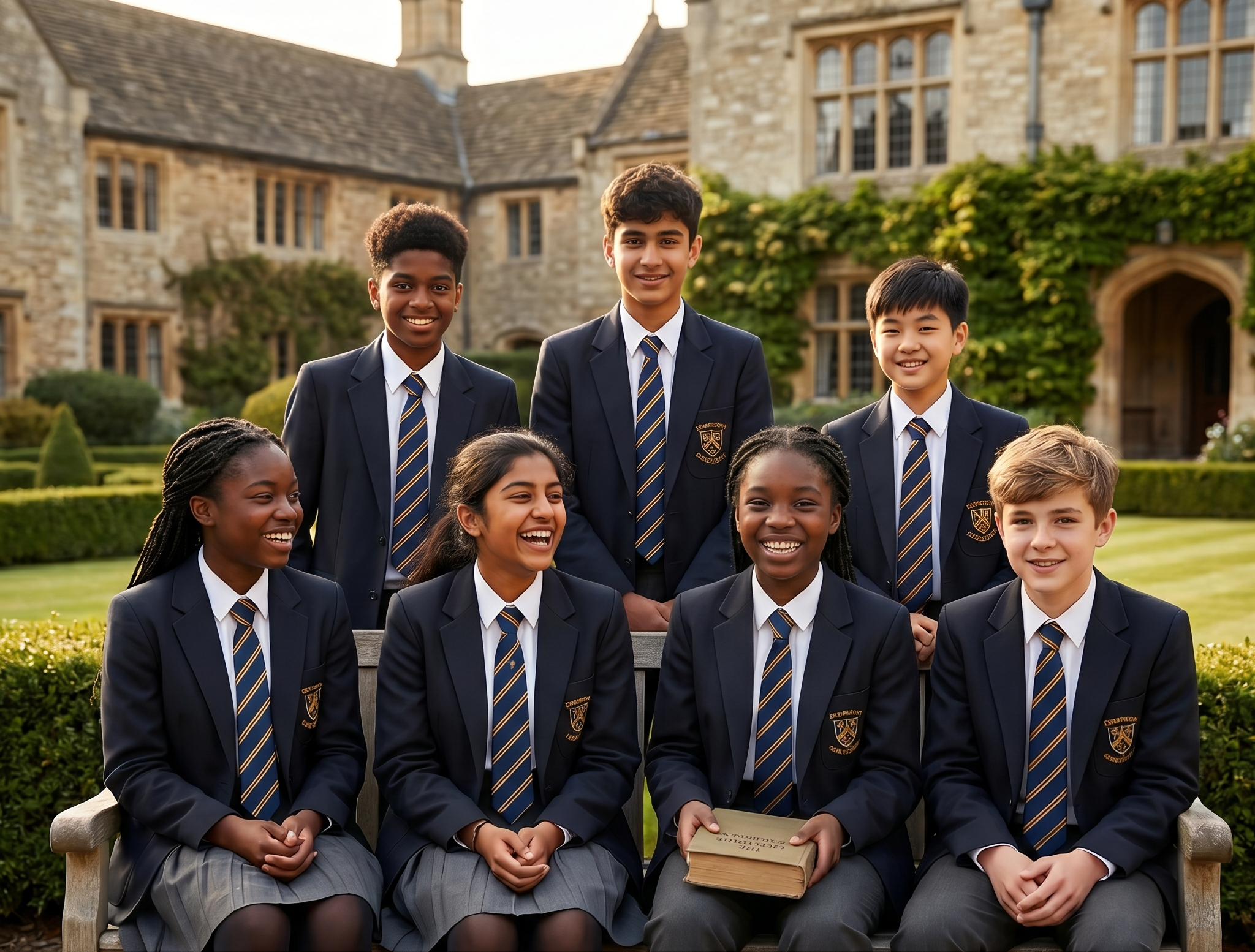
Kent is known as the Garden of England – and for good reason. It's a big, lively county full of lovely towns, good schools, and a real sense of community. It's a fantastic place to live and bring up a family.
One thing that makes Kent stand out is education. Kent has the highest number of grammar schools in the country, with 32 grammar schools across the county. That means there's likely to be a school that suits your child, whether they're a boy, a girl, or you're looking at a mixed school.
And it's not just traditional grammar schools. Kent also has specialist schools focusing on science, robotics, maths, and the arts. So whatever your child's strengths and interests, there's a great place for them to start their secondary journey.
The Kent Test Made Simple
If you want your child to join a grammar school in Kent, they'll sit the Kent Test. The good news is that the whole county follows the same test format. This makes it much easier to prepare for compared to other counties where every school does things differently.
The Kent Test takes place on one day in September and consists of two papers:
- Paper 1: English and Maths – 1 hour. 50 multiple-choice questions in total. 25 questions on English and 25 on Maths.
- Paper 2: Reasoning – 1 hour. Split into two parts: 32 questions on Verbal Reasoning and 50 questions on Non-Verbal Reasoning.
Both papers are sat on the same day with a short break in between.
11 Plus Kent Test Structure
| Paper | Sections | Time | Question Type | What It Tests |
|---|---|---|---|---|
| Paper 1 | English | 30 minutes | Multiple Choice | Comprehension, grammar, punctuation, spelling, vocabulary |
| Maths | 30 minutes | Multiple Choice | KS2 maths, problem-solving, calculations | |
| Paper 2 | Verbal Reasoning | Around 30 minutes | Multiple Choice | Codes, sequences, logic, word relationships |
| Non-Verbal Reasoning | Short timed sections | Multiple Choice | Shapes, patterns, rotations, visual reasoning | |
| Spatial Reasoning | Short timed sections | Multiple Choice | 3D shapes, space and visualisation | |
| Writing Task | Creative Writing | 40 minutes | Written Task | Story or descriptive writing (used mainly for borderline cases) |
How to Prepare

Maths and English
Your child learns these subjects in primary school, but the Kent Test asks trickier questions at KS2 level. In Maths, expect topics like number, fractions, ratio, graphs, and Venn diagrams. In English, focus on vocabulary, spelling, and comprehension. Regular practice makes a big difference here.
Reasoning
This is the part most children haven't seen before. Reasoning isn't taught in most primary schools, so Verbal and Non-Verbal Reasoning can feel brand new. These papers test logic, patterns, codes, and problem-solving. The best way to help is through structured practice and learning simple methods and tricks. This is why many parents choose tutoring for this part.
Creative Writing
There's also a 40-minute creative writing task. It's not marked unless the school needs it for a headteacher appeal. Even so, practising writing is a great idea. After all, who wouldn't want their child to become a confident writer?
A Few Practical Tips
Around 11,000 children sit the Kent Test each year, but only the top scorers gain a grammar school place. Starting early gives your child time to build confidence and skills without the pressure.
Worried you've started late? If your child is in Year 5 and there are only a few months left, don't panic. Use sample papers with time limits to see where they're at. Mock tests are also really helpful. The key is to keep things calm and positive. A kind, supportive approach always builds more confidence than rushing.
Grammar school isn't the be-all and end-all. Every child has their own talents, and Kent has excellent non-selective schools too.
When to Start and How to Apply
The best time to start preparing is at the beginning of Year 4. Early learning means less stress and more confidence later on.
To apply, visit the Kent County Council website. You'll register for the test and also apply for secondary school places. List your preferred schools in order. The test usually takes place in September, and results are sent out in October.
Final Thought
If your child is in the early years of primary school, starting preparation now is a great idea. And if they're already in Year 5, it's not too late to give it a go.
Every child is different, and with the right support, they can do their very best.
From a 11+ Teacher at Shree RSC Tutors